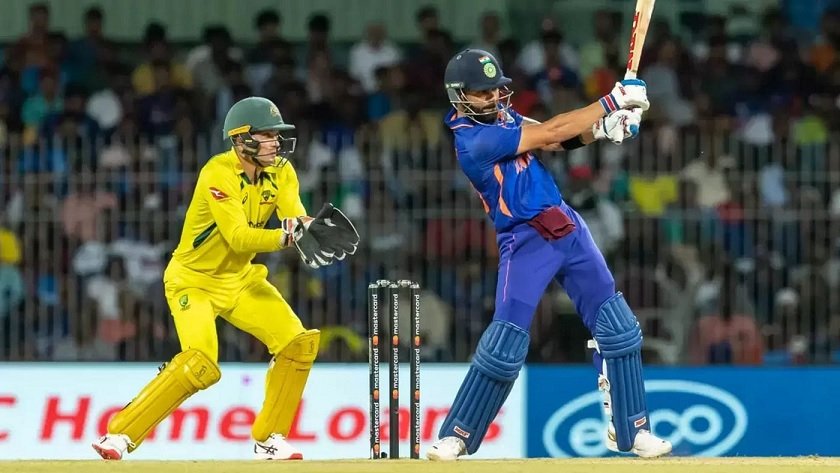

Cricket looks fluid on the surface. A bowler changes pace. A batter shifts stance. A captain moves a fielder five meters to the left. Yet beneath that motion sits a dense layer of data. Every run rate, strike rotation, bowling spell, and phase split adds shape to the match.
That data matters because high-stakes decisions rarely come from instinct alone. They come from pattern recognition. A team decides whether to attack in the powerplay. An analyst estimates pressure in the death overs. A bettor reads form, venue behavior, and recent scoring trends before acting. Different goals, same raw material.
This is where match analysis becomes more than commentary. It becomes a decision tool. Good analysis does not describe what happened in broad terms. It shows why it happened, when momentum shifted, and which signals mattered before the outcome became obvious.
Cricket is especially suited to this kind of reading. The game breaks into units. Overs. spells. partnerships. phase transitions. Each unit leaves evidence. Put those pieces together and the match stops looking random. It starts to look structured.
That structure is what shapes odds. Odds are not guesses. At their best, they are compressed judgments built from data. Team form, player matchups, pitch behavior, toss impact, and live game state all feed the estimate. The number may look simple. The process behind it is not.
The same principle applies beyond betting. Coaches, captains, broadcasters, and analysts all work in environments where poor reads carry a cost. A wrong bowling change can swing a chase. A bad projection can distort a live decision. In high-pressure settings, weak interpretation is expensive.
Three layers matter most:
- Pre-match data sets the baseline
- Live match data shows the shift
- Contextual interpretation turns numbers into judgment
This article examines how those layers work together. It starts with the foundation: why raw cricket data matters only when it is organized into usable signals.
Next, we examine how cricket data moves from raw numbers to meaningful decision signals before a ball is even bowled.
How Cricket Data Becomes Pre-Match Decision Signals
Raw data does not guide decisions on its own. It must be shaped into clear signals before it becomes useful.
Before a match begins, analysts do not look at isolated stats. They combine them. A batting average means little without context. It gains value when paired with strike rate, venue history, and opposition type. The same player can look stable in one condition and fragile in another.
This process turns numbers into patterns.
For example, a team may have a strong overall record. But split the data, and a different picture appears. Weak performance in the powerplay. High dependency on one batter. Poor control in the final overs. Each signal changes how the match should be read.
Pitch data adds another layer. Some surfaces slow down after ten overs. Others stay flat. Some reward spin early. Others only later. These patterns affect both team strategy and external expectations.
This is where structured data begins to shape outcomes. A team may choose to bat first not by instinct, but by reading how scores behave across phases. A bowling unit may adjust length based on past control rates on the same ground.
The same signals feed into external systems. A betting app in india, for example, does not rely on surface-level stats. It aggregates team form, player matchups, and venue behavior into a single projection. The user sees a number. Behind it sits layered interpretation.
The key step is filtering. Not all data matters equally. Strong systems identify which signals carry weight:
- Phase performance (powerplay, middle, death)
- Player matchups (specific bowler vs batter trends)
- Venue patterns (scoring rates, wicket types)
Once filtered, the data becomes directional. It stops describing the past and starts suggesting the future.
At this stage, the match has not started, but the structure is already visible.
Next, we examine how live match data reshapes these signals in real time and shifts decisions under pressure.
How Live Match Data Reshapes Decisions In Real Time
Pre-match signals set the frame. Live data rewrites it ball by ball.
The first few overs test the assumptions. Pace off the pitch. Ball grip. Carry to the keeper. These are not abstract details. They show up in run rate, dot-ball pressure, and boundary frequency. Within minutes, the match reveals its true shape.
Analysts track small shifts. A bowler misses length by half a meter. A batter stops rotating strike. Field placements tighten. Each change leaves a mark in the numbers. The scorecard becomes a moving map.
Momentum is not a feeling. It is a pattern:
- Rising dot-ball percentage signals pressure
- Sudden boundary clusters signal release
- Falling run rate vs required rate signals control
Good systems read these patterns early. They do not wait for large swings. They react to the first signs of change.
Decision-makers adjust in real time. A captain brings spin earlier if grip appears. A batting side accelerates before the pitch slows. An analyst updates projections as the gap between current and expected output widens.
Timing matters. Late adjustment costs runs. Early adjustment saves them.
External models update the same way. Probabilities shift after each over. A small sequence—two dots and a wicket—can move expectations sharply. The number changes because the state of the game changed.
Clarity comes from linking events to outcomes. Not every boundary matters. Not every wicket changes direction. The task is to identify which moments carry weight.
Think of it as steering on a narrow road. Small corrections keep the path straight. Large corrections mean you reacted too late.
Live data enables those small corrections.
Next, we examine how probabilities and odds translate these shifting signals into actionable decisions under pressure.
How Probabilities And Odds Translate Signals Into Decisions
Raw signals show direction. Probabilities turn that direction into a decision.
In cricket, each moment carries a set of possible outcomes. A team at 60 for 2 after six overs can accelerate, stall, or collapse. Data narrows these paths. It assigns weight to each one.
This is where probabilities enter. They convert match state into a range of outcomes with measured likelihood. Not certainty. Weighted expectation.
Odds compress this further. They take complex inputs and express them as a single number. That number answers one question: how likely is this result from here?
The process behind it is layered. It includes:
- Current score vs expected phase output
- Wickets in hand vs historical conversion rates
- Player presence vs past impact in similar states
Each factor adjusts the estimate. A set batter at the crease increases stability. A new batter raises volatility. A slowing pitch reduces scoring potential. The probability shifts with each input.
The key is translation. Decision-makers do not act on raw data. They act on interpreted risk. Odds provide that interpretation in a usable form.
In high-pressure settings, speed matters. A captain cannot process ten variables mid-over. An analyst cannot explain every trend in real time. A compact number helps bridge that gap.
But the number only works if the inputs are clean and the model is consistent. Poor inputs distort the outcome. Strong inputs sharpen it.
Think of odds as a summary line. Like a scoreboard, but for expectation instead of runs. It does not show every detail. It shows enough to act.
The real skill lies in reading beyond the number. Understanding what moved it, and why.
Because the number changes. The structure behind it does not.
Next, we examine how combining data, context, and timing leads to smarter decisions in high-stakes cricket environments.
How Data, Context, And Timing Combine Into Smart Decisions
Data shows what is happening. Context explains why. Timing decides whether the response works.
Take a simple case. The run rate drops for two overs. Data flags pressure. But context asks: who is batting? A set player facing a defensive field may absorb pressure by design. A new batter under attack may signal real risk. The same numbers can mean different things.
Timing turns that read into action. Move too early, and you waste a resource. Move too late, and the damage compounds. The best decisions sit between those points.
Captains apply this balance on the field. They read matchups, not just averages. A bowler may have a good record overall, but a poor record against a specific batter. Context overrides the headline number.
Analysts do the same. They adjust projections when conditions shift. A dry surface may start flat, then slow after ten overs. Data from the first phase must be reweighted for the next.
This creates a layered process:
- Data provides the signal
- Context filters the signal
- Timing converts the signal into action
Miss one layer, and the decision weakens. Strong data without context misleads. Good context without timing delays. Fast timing without data guesses.
High-stakes environments punish these gaps. Small errors stack quickly. A late bowling change adds runs. A misread partnership extends pressure.
The goal is not perfect prediction. It is better alignment between what the numbers show and what the situation demands.
When these layers align, decisions feel simple. Not because they are easy, but because the signal is clear.
Next, we conclude by summarizing how structured cricket data leads to more consistent and reliable decisions under pressure.
Structured Data As The Edge In High-Stakes Decisions
Cricket does not reward guesswork for long. The game exposes weak reads. It rewards clear signals, correct context, and timely action.
Structured data makes this possible. It turns scattered events into a readable pattern. It shows where pressure builds, where control holds, and where momentum shifts.
Pre-match analysis sets the baseline. Live data updates the picture. Probabilities compress that picture into a usable form. Context refines it. Timing executes it.
Each layer supports the next. Remove one, and decisions lose shape.
This applies across roles. Captains adjust fields. Analysts update projections. Systems generate odds. Different outputs, same foundation.
The advantage is not in having more data. It is in using the right data at the right moment.
In high-stakes environments, that difference compounds. Small gains in accuracy lead to better calls. Better calls lead to better outcomes.
The structure stays consistent. The match changes. The data flows. The decisions follow.
That is where the edge lies.